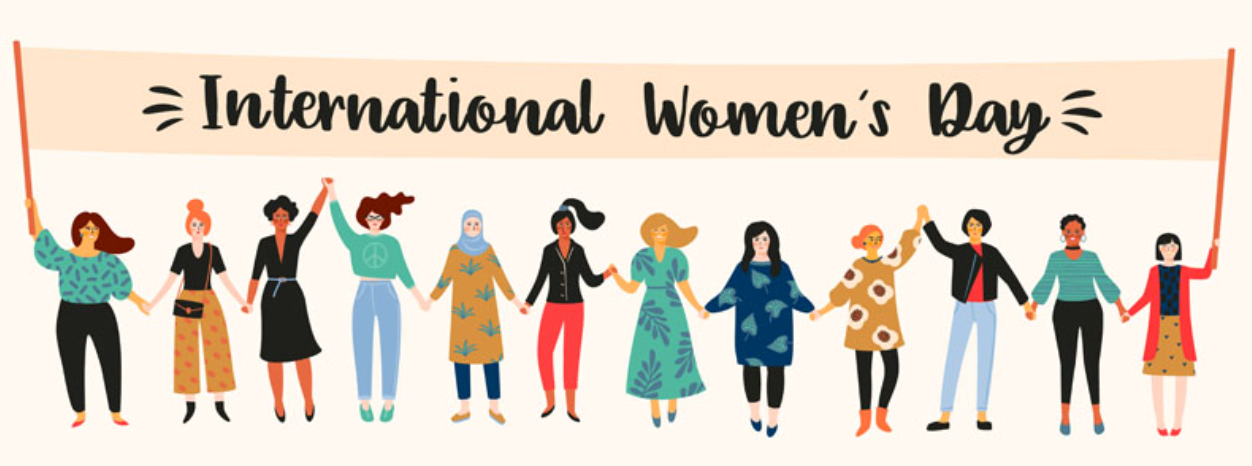
International Women's Day - Celebrating Our Amazing Staff and Women From Around The World!
March 8, 2024

Happy International Women's Day to the incredible ladies who make our team shine! Lisa B, Lisa T, Claire, and Lesley - your passion and dedication are truly inspiring. Thank you for all that you do to contribute to our success. Here's to celebrating each of you today and every day!
What is International Women's Day?
International Women's Day is a powerful global event that has provided an important platform to celebrate the social, economic, cultural, and political accomplishments of women worldwide since the early 1900s.
The historical roots of this day can be traced back to the early 20th century when women began advocating for their rights and demanding better working conditions. The first observance of IWD was held in 1911, inspired by women's protest movements against discrimination, inequality, and suffrage rights. Since then, it has grown into a global movement aimed at empowering women and promoting gender equality. The date of March 8th was officially recognized by the United Nations in 1975, and it has become an annual celebration of the achievements and struggles of women.
Over the years, not only has IWD acted as a platform for celebrating women's successes, but it has also become a catalyst for change. The event sparks conversations on pressing issues such as gender-based violence, discrimination, and the gender pay gap. It encourages dialogue on how to dismantle harmful stereotypes, norms, and biases that continue to hinder women's progress. Furthermore, IWD has played a significant role in mobilizing women's rights movements, advocacy, and policy changes globally.
While substantial progress has been made in advancing gender equality since the inception of IWD, it is important to acknowledge that significant challenges persist. Women continue to face gender-based violence, limited access to education, healthcare, and economic opportunities, as well as underrepresentation in leadership positions and decision-making processes. Achieving gender parity requires us to critically examine factors that perpetuate inequality and strive for systemic changes at the societal, institutional, and individual levels.
Education emerges as a crucial element in promoting gender equality. By ensuring girls' access to quality education, we can lay the foundation for their empowerment and enable them to reach their full potential. Moreover, addressing cultural norms and stereotypes that limit women's roles is essential. This can be achieved by challenging ingrained biases, promoting inclusive language, and encouraging diverse representation in various fields.
IWD also highlights the importance of inclusivity across all genders. Recognizing the intersecting experiences and struggles of women of different races, ethnicities, sexual orientations, abilities, and socioeconomic backgrounds is crucial for achieving true equality. Intersectional feminism recognizes that gender cannot be examined in isolation from other forms of discrimination and oppression.
With the rise of social media and technology, IWD has witnessed a surge in global participation and engagement. Women and their allies have leveraged these platforms to raise awareness, share stories, and organize actions. The power of solidarity and collective actions, amplified through digital networks, exemplifies the global movement towards gender equality.

What is International Women's Day?
International Women's Day is a powerful global event that has provided an important platform to celebrate the social, economic, cultural, and political accomplishments of women worldwide since the early 1900s.
The historical roots of this day can be traced back to the early 20th century when women began advocating for their rights and demanding better working conditions. The first observance of IWD was held in 1911, inspired by women's protest movements against discrimination, inequality, and suffrage rights. Since then, it has grown into a global movement aimed at empowering women and promoting gender equality. The date of March 8th was officially recognized by the United Nations in 1975, and it has become an annual celebration of the achievements and struggles of women.
Over the years, not only has IWD acted as a platform for celebrating women's successes, but it has also become a catalyst for change. The event sparks conversations on pressing issues such as gender-based violence, discrimination, and the gender pay gap. It encourages dialogue on how to dismantle harmful stereotypes, norms, and biases that continue to hinder women's progress. Furthermore, IWD has played a significant role in mobilizing women's rights movements, advocacy, and policy changes globally.
While substantial progress has been made in advancing gender equality since the inception of IWD, it is important to acknowledge that significant challenges persist. Women continue to face gender-based violence, limited access to education, healthcare, and economic opportunities, as well as underrepresentation in leadership positions and decision-making processes. Achieving gender parity requires us to critically examine factors that perpetuate inequality and strive for systemic changes at the societal, institutional, and individual levels.
Education emerges as a crucial element in promoting gender equality. By ensuring girls' access to quality education, we can lay the foundation for their empowerment and enable them to reach their full potential. Moreover, addressing cultural norms and stereotypes that limit women's roles is essential. This can be achieved by challenging ingrained biases, promoting inclusive language, and encouraging diverse representation in various fields.
IWD also highlights the importance of inclusivity across all genders. Recognizing the intersecting experiences and struggles of women of different races, ethnicities, sexual orientations, abilities, and socioeconomic backgrounds is crucial for achieving true equality. Intersectional feminism recognizes that gender cannot be examined in isolation from other forms of discrimination and oppression.
With the rise of social media and technology, IWD has witnessed a surge in global participation and engagement. Women and their allies have leveraged these platforms to raise awareness, share stories, and organize actions. The power of solidarity and collective actions, amplified through digital networks, exemplifies the global movement towards gender equality.


By Oliver Wright
•
July 14, 2026
Common Student Renting Myths Debunked! Starting university is an exciting milestone, but it can also feel overwhelming. For many students, it’s the first time managing responsibilities such as finding accommodation, signing tenancy agreements, and budgeting for rent and household bills. Unfortunately, there are plenty of misconceptions about student renting that can make the process seem even more complicated. Here are some of the most common myths—and the reality behind them. Myth #1: Students Have Fewer Tenant Rights Being a student does not reduce your legal rights as a tenant. Students are entitled to the same protections as any other renter, including the right to live in a safe property, have their deposit protected, and receive clear tenancy terms. Your status as a student does not affect these rights. Recent changes to rental legislation have also focused on strengthening tenant protections, making it even more important to understand what you're entitled to when renting a property. Myth #2: Landlords Can Keep Your Deposit for Any Reason A common misunderstanding is that landlords can deduct money from a deposit whenever they choose. In reality, deposits are protected and can only be used for legitimate reasons. Deductions are typically made for issues such as unpaid rent or damage beyond normal wear and tear. Any charges should be reasonable and supported by evidence. To protect yourself, it's a good idea to take photographs or videos of the property when you move in and again when you move out. Having a clear record can be invaluable if a dispute arises over the condition of the property. Myth #3: You're Only Responsible for Your Own Rent This depends entirely on the tenancy agreement you sign. With an individual tenancy agreement, each tenant is responsible for their own rent payments. However, many shared houses operate under a joint tenancy agreement, where all tenants share responsibility for the full rent amount. In a joint tenancy, if one tenant fails to pay, the landlord may pursue the remaining tenants for the outstanding balance. Before signing any contract, make sure you understand how rent liability is structured and what responsibilities you may have. Myth #4: Every Student Area Is Loud and Full of Parties Student neighbourhoods often have a reputation for being noisy, but reality is usually more varied. Students come from different backgrounds, age groups, and lifestyles. While some households enjoy a busy social life, others prefer a quieter environment focused on studying, work, or personal commitments. If you're moving into a shared property, it's worth discussing expectations and lifestyles with potential housemates beforehand to ensure a good fit. Myth #5: Student Housing Is Always Expensive The cost of student accommodation can vary significantly depending on the type of property you choose. Purpose-built student accommodation often includes additional facilities such as security, gyms, study spaces, and social areas, which can increase costs. However, there are also many affordable alternatives, including shared houses, university halls, and private rentals. Exploring a range of accommodation options can help you find something that suits both your budget and your lifestyle. Further thoughts.. With so much information available online, it's easy for myths and misunderstandings about student renting to spread. Taking the time to research, ask questions, and understand your tenancy agreement can help you make informed decisions and avoid unnecessary stress. If you are ever unsure about your rights or responsibilities, don't hesitate to seek advice!